


Understanding the psychology behind decision-making in gambling situations
The Nature of Decision-Making in Gambling
Decision-making in gambling involves a complex interplay of cognitive, emotional, and social factors. Gamblers often find themselves weighing the odds of winning against the potential losses, creating a psychological tension that can influence their choices. The thrill of potential rewards may cause individuals to overlook the statistical realities of their situation, leading to decisions driven more by emotion than by rational analysis. This phenomenon illustrates how the excitement of gambling can cloud judgment and alter typical decision-making processes. To enhance your understanding, you can view details on strategies that help mitigate these impulses.

Moreover, the inherent uncertainty in gambling situations complicates decision-making further. Gamblers often rely on heuristics, or mental shortcuts, to make quick judgments. These heuristics can lead to biases such as overconfidence, where a player believes they have a greater chance of winning based on previous wins or patterns they perceive, even when the odds remain unchanged. This cognitive bias illustrates the struggle between rational thought and emotional impulse in a gambling context.
Social factors also play a significant role in gambling decision-making. The influence of peers, cultural attitudes toward gambling, and even the setting in which gambling occurs can shape an individual’s choices. For example, group dynamics may encourage riskier bets, as players seek to maintain their status among friends or avoid being perceived as weak. Understanding these elements can provide insight into why some individuals may make irrational or risky decisions when engaging in gambling activities.
The Role of Emotion in Gambling Choices
Emotions significantly influence decision-making in gambling. The elation of winning can trigger dopamine release in the brain, reinforcing the behavior and leading to repeated gambling as individuals chase that high. On the contrary, losses may evoke feelings of frustration and despair, prompting gamblers to continue betting in an attempt to recoup their losses. This cycle can create a compulsion that diminishes the capacity for rational decision-making.
Furthermore, the emotional state of a gambler at the time of betting can significantly alter their choices. When in a positive emotional state, individuals may take bolder risks, convinced that their luck will continue. Conversely, those experiencing negative emotions may play conservatively or engage in “chasing losses,” risking even more to regain what has been lost. This emotional rollercoaster can lead to impulsive decisions that might not align with the gambler’s best interests.
The relationship between emotion and decision-making in gambling underscores the need for self-awareness. Recognizing one’s emotional triggers can help gamblers make more informed decisions, reducing the likelihood of erratic behavior. Gamblers who can identify their emotional states may be better equipped to set limits and adhere to strategies that align with their long-term goals, rather than succumbing to fleeting feelings.
Cognitive Biases and Their Impact
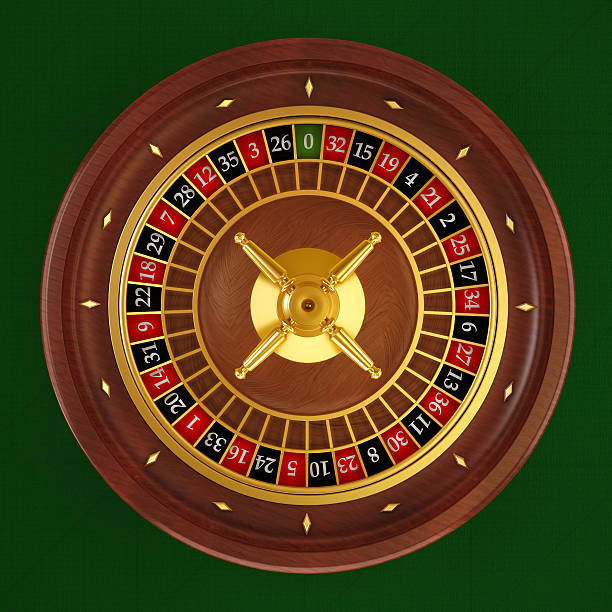
Cognitive biases are systematic patterns of deviation from norm or rationality in judgment, and they play a crucial role in gambling decisions. One prevalent bias is the “gamblers fallacy,” where individuals believe that past events affect future outcomes in random sequences. For instance, if a roulette wheel has landed on red several times in a row, a gambler might believe that black is “due” to hit soon. This misperception can lead to poor betting strategies based on erroneous reasoning.
Another common cognitive bias in gambling is “confirmation bias,” where players focus on information that supports their existing beliefs while ignoring evidence that contradicts them. For example, a gambler who believes they have a winning strategy may only remember their wins and dismiss their losses. This selective memory can reinforce their behavior, ultimately leading to poor decision-making and financial loss.
Understanding these cognitive biases is essential for anyone involved in gambling. By recognizing how these biases influence their decisions, gamblers can take steps to mitigate their effects, such as employing strategies that rely on statistical realities rather than personal beliefs. This awareness can foster more rational decision-making, allowing players to engage in gambling as a form of entertainment rather than a pathway to financial ruin.
The Social Context of Gambling Decisions
The social environment in which gambling occurs can significantly affect decision-making. Many individuals gamble in groups, which can amplify both positive and negative influences. Social pressure can lead individuals to make riskier bets than they would if they were alone, as they seek to impress peers or fit in with a group. This social dynamic can distort personal judgment and lead to decisions that might otherwise be avoided in a more solitary context.
Cultural attitudes towards gambling also shape decision-making processes. In cultures where gambling is celebrated, individuals may feel more inclined to take risks, viewing gambling as a normative part of social interaction. Conversely, in cultures where gambling is stigmatized, individuals may approach gambling with caution, fearing social repercussions for their choices. These cultural frameworks contribute to the diverse gambling behaviors observed around the world.
Moreover, the advent of online gambling has transformed the social context of gambling. Players can now engage in gambling activities from the comfort of their homes, often leading to increased impulsivity. The anonymity of online platforms can diminish the social accountability that might temper risky decisions in physical gambling settings. Understanding these social influences is critical for developing effective strategies to make thoughtful and measured choices in gambling situations.
Enhancing Your Gambling Experience Responsibly
At PayID Pokies Australia, we aim to empower gamblers with knowledge and resources to navigate the complex landscape of online gambling safely. Our focus is on providing comprehensive guides that help users make informed decisions, emphasizing the psychological aspects of gambling. By understanding the emotional and cognitive factors that influence decision-making, players can approach gambling as an enjoyable activity rather than a source of stress or financial hardship.
We believe that responsible gambling involves recognizing the factors at play in one’s decision-making process. Our detailed reviews of top-rated online casinos and pokies games highlight platforms that prioritize user safety, offering secure payment options like PayID. These features ensure that players can enjoy a seamless gambling experience while remaining aware of their psychological triggers and biases.
Ultimately, our mission is to enhance your online gaming journey. By understanding the psychology behind decision-making in gambling situations and utilizing the resources available on our website, players can cultivate a more responsible, enjoyable, and rewarding gambling experience. Engage with our content to become a more informed gambler and navigate the online gaming world with confidence.
