


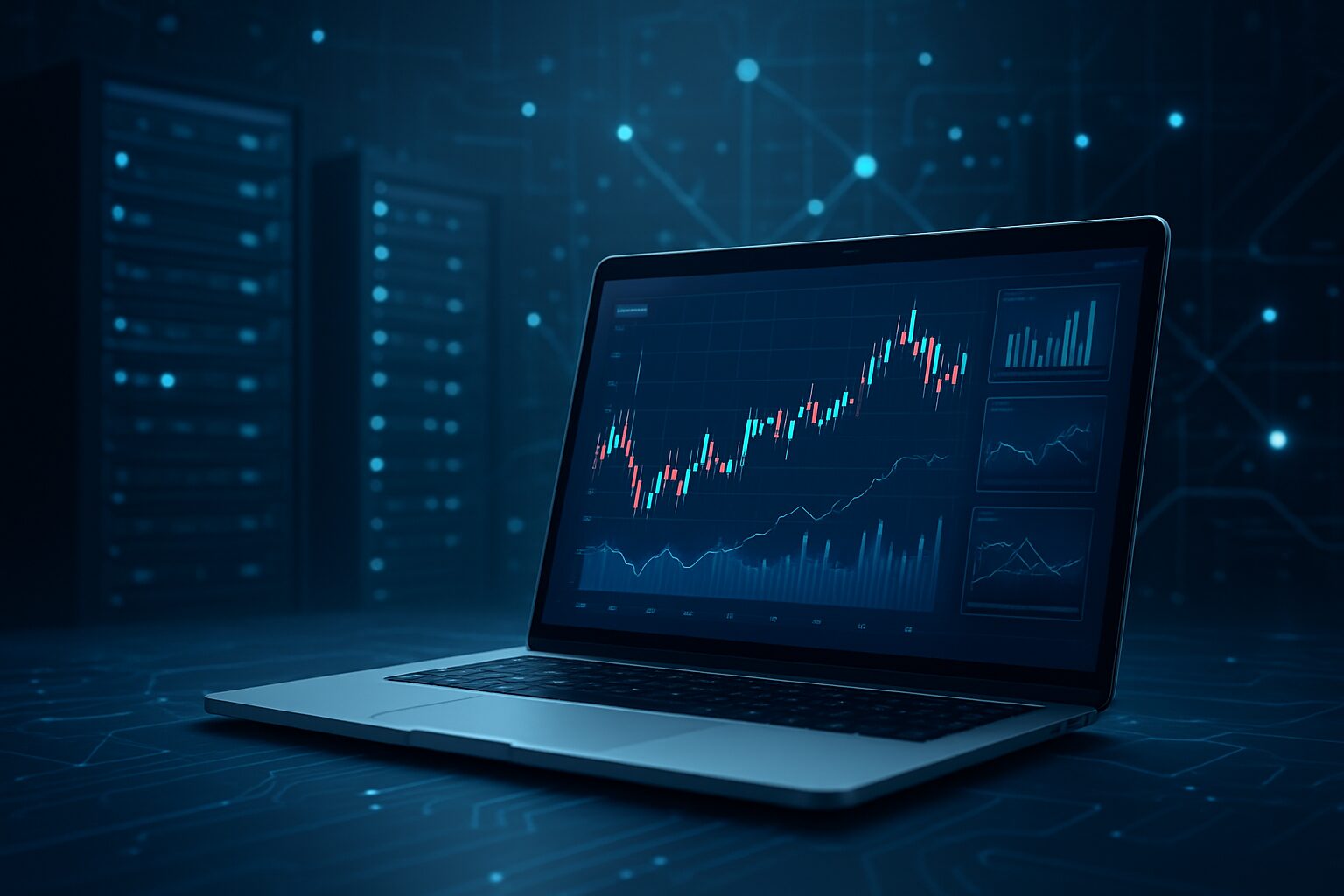
The global currency market provides opportunities for participants to study exchange-rate movements and develop strategies around changing market conditions. Forex Trading has become increasingly accessible through modern digital platforms that combine market information, charting tools, analytical features, and trading functions. These resources can help users create an organized environment for observing currencies and making decisions according to their individual trading plans.
Contents
- Understanding Global Currency Markets
- Modern Market Access
- Advanced Charting Tools
- Technical Analysis and Decision-Making
- Flexible Trading Strategies
- Risk Management and Discipline
- Benefits of Organized Market Tools
- Building Market Knowledge
- Conclusion
Understanding Global Currency Markets
The foreign exchange market involves the buying and selling of currencies in pairs. The value of one currency is measured against another, and prices can change in response to economic developments, monetary expectations, political events, market sentiment, and other factors.
Understanding these influences is an important part of currency-market participation. Traders can monitor price movements while also considering broader economic conditions. This combination of market observation and fundamental awareness can provide a more complete view of potential currency trends.
Modern Market Access
Digital trading platforms have made it easier for users to access currency-market information from a single environment. Instead of depending on basic price information alone, traders can use charts, watchlists, indicators, and other features to organize their analysis.
Modern platforms can also allow users to monitor several currency pairs simultaneously. This flexibility is useful for traders who want to compare different market movements and identify areas that deserve closer attention.
Advanced Charting Tools
Charts are among the most important tools available to currency traders. They provide a visual representation of price movements and allow users to examine market behavior across different periods.
Short-term charts can help traders observe recent changes, while longer timeframes can provide a broader perspective. Users can also apply technical indicators and drawing tools to examine trends, momentum, volatility, and important price levels.
Using these tools does not guarantee a particular outcome, but they can help traders organize information and develop a consistent analytical process.
Technical Analysis and Decision-Making
Technical analysis focuses on historical price information to identify possible patterns and market behavior. Traders may study trend lines, support and resistance areas, moving averages, momentum indicators, and other analytical elements.
A strong analytical process usually involves more than one factor. Traders can compare technical observations with current market conditions and their own trading objectives before deciding whether to enter or exit a position.
This approach encourages preparation instead of reacting emotionally to every short-term price movement.
Flexible Trading Strategies
Currency traders can follow different approaches depending on their experience, objectives, and preferred timeframe. Some concentrate on short-term movements, while others study longer-term trends and broader market cycles.
Modern platforms provide flexible tools that can accommodate these different methods. Adjustable charts, market watchlists, analytical indicators, and order-management features allow users to create a workspace suited to their individual preferences.
Developing a clear strategy can also make it easier to maintain consistency when market conditions become unpredictable.
Risk Management and Discipline
Currency markets can experience rapid price changes, making risk management an essential part of responsible trading. Traders should consider their available capital, position size, potential losses, and overall exposure before opening a position.
Setting clear limits can help users avoid excessive risk. Maintaining discipline is equally important because emotional decisions may lead to unnecessary trades or poorly planned positions.
A structured approach focuses on both potential opportunities and the risks associated with them.
Benefits of Organized Market Tools
Modern trading technology can make market observation more efficient. Traders can arrange selected currency pairs, monitor price changes, analyze charts, and review positions within an organized environment.
Having these functions available together can reduce unnecessary distractions and help users concentrate on their trading plans. It also makes it easier to review previous decisions and improve an approach over time.
Building Market Knowledge
Technology is only one part of becoming a capable currency trader. Understanding market terminology, studying economic influences, practicing technical analysis, and reviewing previous decisions can all contribute to better preparation.
Continuous learning can help traders recognize different market conditions and understand how their strategies may perform in changing environments.
Conclusion
Forex trading provides access to a dynamic global currency market where prices can change according to economic conditions and market sentiment. Modern trading tools make it easier to monitor currency pairs, study charts, apply analytical techniques, and manage positions. By combining these resources with careful research, disciplined decision-making, and appropriate risk management, traders can create a structured approach to participating in global currency markets.
Quick Summary
- The foreign exchange market involves the buying and selling of currencies in pairs, where one currency’s value is measured against another.
- Modern digital trading platforms provide integrated market information, analytical features, and trading functions that facilitate easier access to the currency market.
- Traders can use various charting tools to analyze price movements over different periods and apply technical indicators to study trends and market behavior.
- Effective technical analysis combines historical price information with current market conditions to inform trading decisions, promoting a disciplined approach.
- Risk management is critical in currency trading, requiring traders to assess capital, position size, potential losses, and set clear limits to mitigate excessive risk.
- Continuous learning about market terminology, economic influences, and technical analysis is essential for traders to adapt their strategies to changing market conditions.