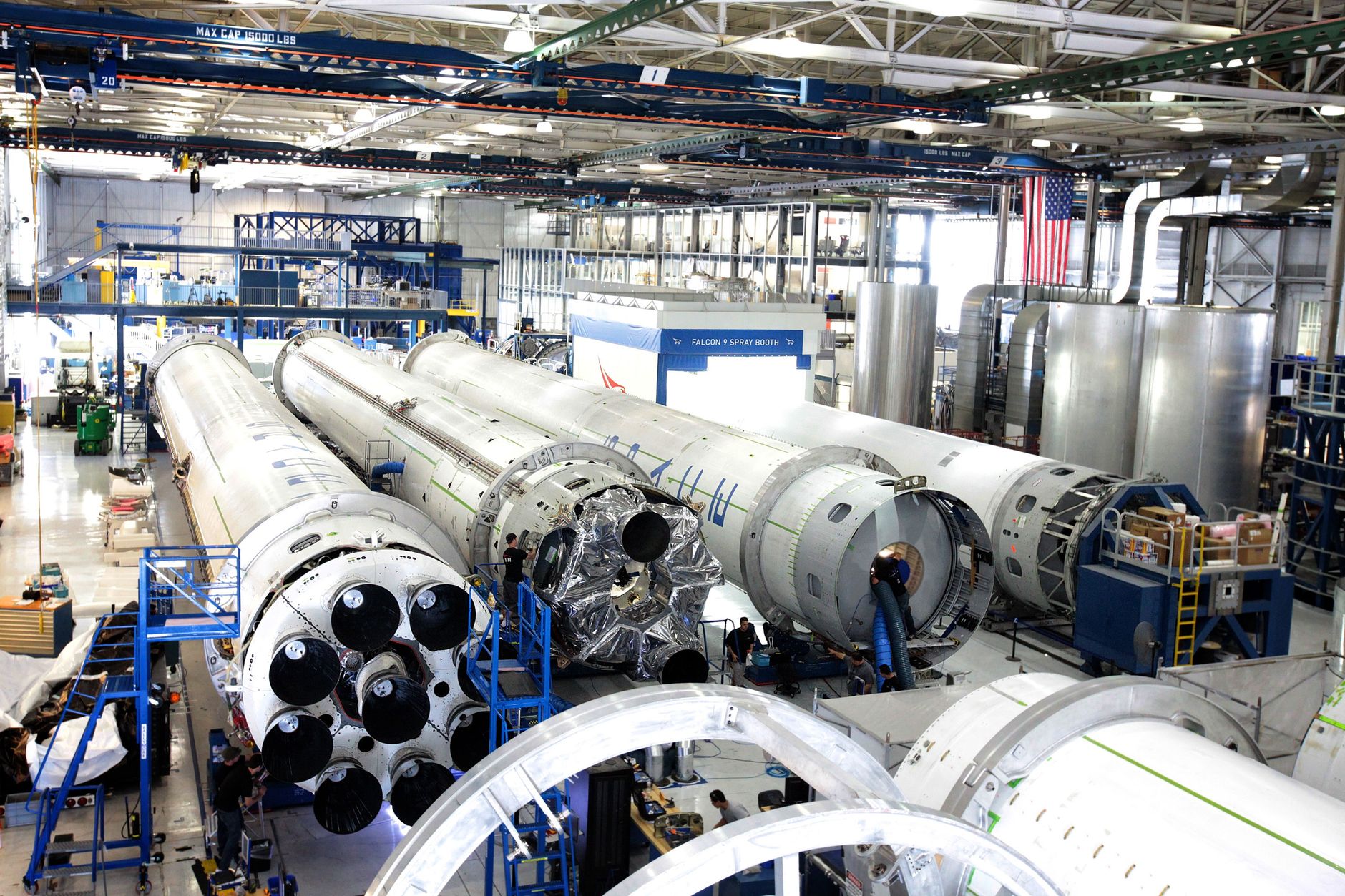
The global electro-tech manufacturing hub is gaining momentum as India positions itself for significant growth in this sector. The World Economic Forum highlights the country’s strategic initiatives and investments.
India’s Strategic Initiatives in Electro-Tech
India is taking significant steps to establish itself as a global electro-tech manufacturing hub, driven by strategic initiatives aimed at enhancing its industrial capabilities. The government has introduced various policies to attract investment and boost local manufacturing in the electro-tech sector.
Key initiatives include:
- Production-Linked Incentive (PLI) Schemes: These schemes provide financial incentives to companies that increase their manufacturing output in specific sectors, including electronics.
- Infrastructure Development: Investments in infrastructure, such as dedicated manufacturing zones and enhanced logistics networks, are critical to support the growing electro-tech industry.
- Skill Development Programs: India is focusing on upskilling its workforce to meet the demands of the evolving electro-tech landscape, ensuring that skilled labor is readily available.
- International Collaboration: Partnerships with global companies and institutions are being fostered to transfer technology and know-how, further solidifying India’s position in the global market.
These strategic initiatives are not just positioning India as a competitor in the global electro-tech market but also highlighting its proven growth potential in the sector.
Current Trends in Global Manufacturing
Current trends in global manufacturing indicate a significant shift towards the establishment of a global electro-tech manufacturing hub. Countries around the world are recognizing the importance of this sector, leading to increased investments and innovations.
Several factors are driving this transformation:
- Technological Advancements: Rapid advancements in technology, particularly in automation and artificial intelligence, are enhancing manufacturing efficiency and quality.
- Supply Chain Diversification: Companies are actively seeking to diversify their supply chains to mitigate risks associated with geopolitical tensions and global disruptions.
- Government Support: Many governments are implementing policies aimed at fostering the growth of the electro-tech industry, including tax incentives and infrastructure improvements.
- Environmental Sustainability: There is a growing emphasis on sustainable practices, prompting manufacturers to adopt eco-friendly technologies and materials.
As nations compete to position themselves as leaders in this field, the prospects for a global electro-tech manufacturing hub appear promising, potentially reshaping the landscape of international trade and industry.
Investment Opportunities in India
India’s emergence as a global electro-tech manufacturing hub has attracted significant interest from investors worldwide. The government’s proactive initiatives have created a conducive environment for both domestic and international companies looking to invest in this sector.
Several factors contribute to the investment opportunities in India:
- Skilled Workforce: India boasts a large pool of skilled engineers and technicians, essential for the electro-tech industry.
- Government Incentives: Various schemes, such as the Production Linked Incentive (PLI) scheme, offer financial incentives to boost manufacturing.
- Infrastructure Development: Ongoing investments in infrastructure, including logistics and transportation, enhance the manufacturing ecosystem.
- Growing Market Demand: The increasing demand for electronic products in India and globally ensures a robust market for manufacturers.
As companies seek to diversify their supply chains and reduce dependency on single markets, India stands out as a promising location. The combination of strategic initiatives and favorable market conditions positions India as a formidable player in the global electro-tech manufacturing hub landscape.
Challenges Facing Electro-Tech Growth
Despite the promising growth potential of India as a global electro-tech manufacturing hub, several challenges must be addressed to sustain this momentum.
- Infrastructure Development: The existing infrastructure may not be adequate to support the rapid growth in production capabilities. Upgrading transportation networks and ensuring reliable energy supply are crucial for efficiency.
- Skilled Workforce: There is a significant demand for a skilled workforce capable of handling advanced manufacturing technologies. Training programs and educational initiatives need to be scaled up to meet this requirement.
- Regulatory Hurdles: Navigating the regulatory landscape can be complex. Streamlining processes and reducing bureaucratic red tape is necessary to attract and retain foreign investment.
- Supply Chain Vulnerabilities: The global supply chain remains susceptible to disruptions. Building resilience through diversified sourcing and local partnerships will be vital.
Addressing these challenges will play a pivotal role in solidifying India’s position as a global electro-tech manufacturing hub, ultimately driving innovation and economic growth in the sector.
Future Prospects for Manufacturing Hubs
The future prospects for manufacturing hubs, particularly in the context of India’s ambition to become a global electro-tech manufacturing hub, are promising. As countries around the world recognize the importance of technology and innovation, India is well-positioned to leverage its vast talent pool and increasing investments in research and development.
Several factors contribute to this optimistic outlook:
- Government Support: Initiatives such as Make in India and Production Linked Incentive (PLI) schemes are designed to enhance domestic manufacturing capabilities.
- Technological Advancements: The integration of advanced technologies like AI and IoT into manufacturing processes is expected to boost efficiency and productivity.
- Global Partnerships: Collaborations with international companies can facilitate knowledge transfer and enhance India’s manufacturing ecosystem.
As the demand for electro-tech products continues to grow globally, India’s strategic position as a manufacturing hub can attract both domestic and foreign investments. With sustained commitment from the government and industry, the country is poised to become a leader in the electro-tech sector, further solidifying its role in the global supply chain.
Comparative Analysis with Other Countries
In the quest to establish itself as a global electro-tech manufacturing hub, India faces significant competition from other countries that have also made strides in this sector. A comparative analysis reveals various strengths and weaknesses among these nations.
- China: As the largest manufacturer of electronics, China benefits from an extensive supply chain and a workforce skilled in high-volume production. However, rising labor costs and trade tensions are challenges that may affect its dominance.
- Vietnam: With its rapidly growing manufacturing sector, Vietnam presents a cost-effective alternative for companies looking to diversify their supply chains. The government’s proactive approach to attracting foreign investment has made it an appealing option.
- Germany: Known for precision engineering and high-quality production, Germany excels in advanced technology and innovation. However, its higher operational costs can deter some businesses from setting up operations.
- India: With its favorable policies and a young workforce, India is positioned to harness its potential as a global electro-tech manufacturing hub, offering unique advantages that can attract international players.
World Economic Forum Insights on India
The World Economic Forum has highlighted India’s rapid transformation into a global electro-tech manufacturing hub, emphasizing its significant growth potential. With a combination of government initiatives and private sector investments, India is poised to become a leader in this vital industry.
According to the Forum, several key factors contribute to India’s ascent:
- Skilled Workforce: India boasts a large pool of skilled engineers and technicians, essential for the high-tech manufacturing sector.
- Investment in Infrastructure: Ongoing improvements in infrastructure, such as better roads and ports, facilitate smoother logistics and supply chains.
- Policy Support: Government policies aimed at boosting manufacturing, including tax incentives and ease of doing business, have attracted global players.
- Technological Advancements: Embracing cutting-edge technologies, such as automation and AI, enhances productivity and efficiency.
As companies worldwide look for reliable manufacturing partners, India’s position as a global electro-tech manufacturing hub is becoming increasingly attractive. The potential for growth not only benefits India but also strengthens global supply networks.
Photo by Pixabay on Pexels
Sources
Exploring Gaming Styles and Features Across Mega888 Categories · Examining Bruce Hensel’s Contribution to Accessible Science and Public Education · Cheapest Online Dispensary Canada– Comparing Product Quality and Value